



Master how to use AI website builder tools in 2026. Learn prompt engineering, brand refinement, and deployment strategies for professional results without coding.
In 2026, learning how to use AI website builder tools has shifted from a technical coding challenge to a mastery of prompt engineering. Gone are the days of manual drag-and-drop fatigue; instead, professional results now depend on high-fidelity refinement prompts that guide the AI through iterative design cycles. While initial generation provides the skeleton, the true value lies in how you communicate specific brand requirements to the machine. By understanding the nuances of intent-based generation, users can bypass generic templates and create high-performance digital assets that rival custom-coded solutions. If you are looking for a broader overview on how to build a website with AI, this guide will dive deeper into the specific mechanics of prompt-driven execution.
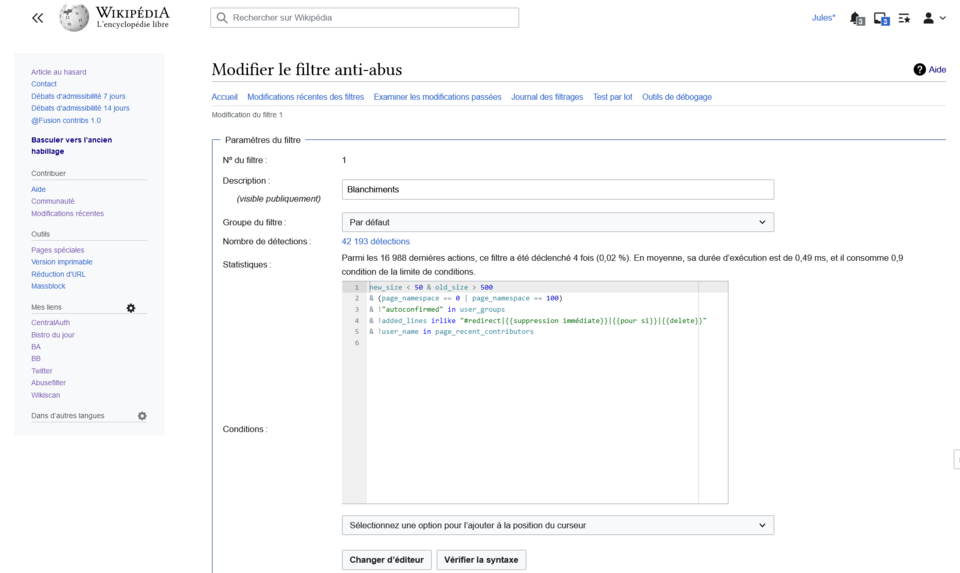
The efficiency of an AI website builder is directly proportional to the quality of the input it receives. In 2026, the industry has moved toward intent-based prompts, which prioritize the “why” behind a website rather than just the “what,” making it easier to understand how to build a website with AI through structured logic. This requires a structured approach to communication that provides the AI with enough context to make intelligent design decisions without human micro-management.
To achieve professional-grade results, users should abandon simple phrases like “make a bakery site” and adopt the Context-Action-Style (CAS) framework. This ensures the AI understands the business logic and user journey from the first generation, particularly when selecting Digital Dining: The Best AI Website Builder for Restaurants and Cafes to handle food-specific layouts.
Once the initial draft is generated, the real work begins through iterative prompting. Modern AI tools now support partial regeneration, allowing you to isolate a single block—such as the hero section or a pricing table—and modify it without affecting the rest of the site’s structure. This surgical approach is essential for maintaining brand alignment.
When refining, technical precision in your language is vital. Instead of telling the AI to “make it look cleaner,” which is subjective, you should use quantitative or directional commands. For instance, instructing the AI to “increase white space by 20% around the primary CTA” or “change the button border-radius to 4px for a sharper look” provides the machine with actionable data. Research indicates that these refinement prompts are 3x more effective at achieving brand alignment than manual dragging. This process ensures that the AI-generated layout evolves into a bespoke professional product. For those looking to showcase specific work, learning how to use an AI website builder for portfolio sites can provide tailored prompts for creative displays.
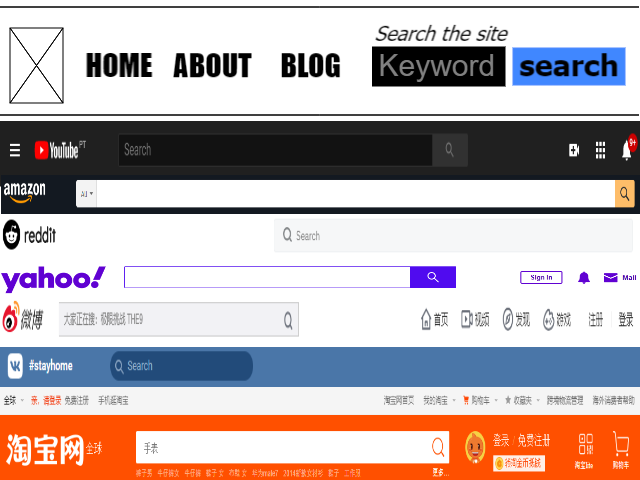
Achieving a professional finish requires moving beyond the “AI-generated” look. In 2026, the most advanced builders allow for deep integration of design systems, ensuring that every page generated follows a strict set of visual rules.
The most significant advancement in 2026 is the ability for AI builders to ingest PDF brand guidelines or URL references to auto-apply styles. This prevents the “hallucination” of off-brand colors or fonts.
| Design Element | Generic AI Output | Brand-Consistent Refinement |
|---|---|---|
| Typography | Standard Sans-Serif (Inter/Roboto) | Custom Typeface (e.g., Helvetica Now) with specific kerning and line-height rules. |
| Color Palette | Approximate primary colors | Exact Hex/RGB codes with defined 60-30-10 distribution across the UI. |
| Imagery Style | Stock-style AI illustrations | High-fidelity renders or authentic photography with a specific color grade (e.g., warm/matte). |
| Iconography | Mixed weight icons | Uniform 2px stroke weight icons from a specific library (e.g., Phosphor). |
By utilizing consistency checks, which are now built-in features, the AI ensures that font pairings and spacing remain uniform across all generated pages, even as you add new sections months later. These automated standards are especially critical when using an AI website builder for doctors where visual clarity and professional trust are paramount for patient engagement.
The final phase of using an AI website builder involves moving from the staging environment to a live production server. This is where the AI handles the technical heavy lifting that used to require a webmaster.
The most successful websites in 2026 are not those built entirely by machines, but those where the human acts as a Creative Director. By mastering the art of the prompt and the science of refinement, you can launch a site that is both technically superior and visually unique. A surprising finding from 2025 industry reports suggests that sites built with iterative AI prompting have a 15% lower bounce rate due to better-aligned user intent. Your next step is to stop treating the AI as a magic wand and start treating it as a highly skilled junior designer: feed your brand’s mission statement into the AI’s style-guide trainer today, perhaps utilizing a Build Your Authority: AI Website Builder for Personal Brand Development to set the foundation for a truly professional digital presence.