



Explore how an AI website builder with templates uses smart, adaptive layouts to automate design. Compare Wix ADI and Squarespace AI features for 2026.
Modern web design has moved far beyond the era of static, “one-size-fits-all” layouts. Today, an AI website builder with templates doesn’t just provide a skin; it utilizes smart templates that dynamically rearrange their structural elements based on specific user data and industry requirements. Leading platforms like Wix ADI and Squarespace are at the forefront of this shift, moving away from rigid grids toward adaptive design systems. These systems analyze your brand assets, color palettes, and business goals to generate a unique digital presence. If you are curious about the broader process, learning how to build a website with AI in 2026 involves understanding how these algorithms interpret your intent to create a high-performance site.
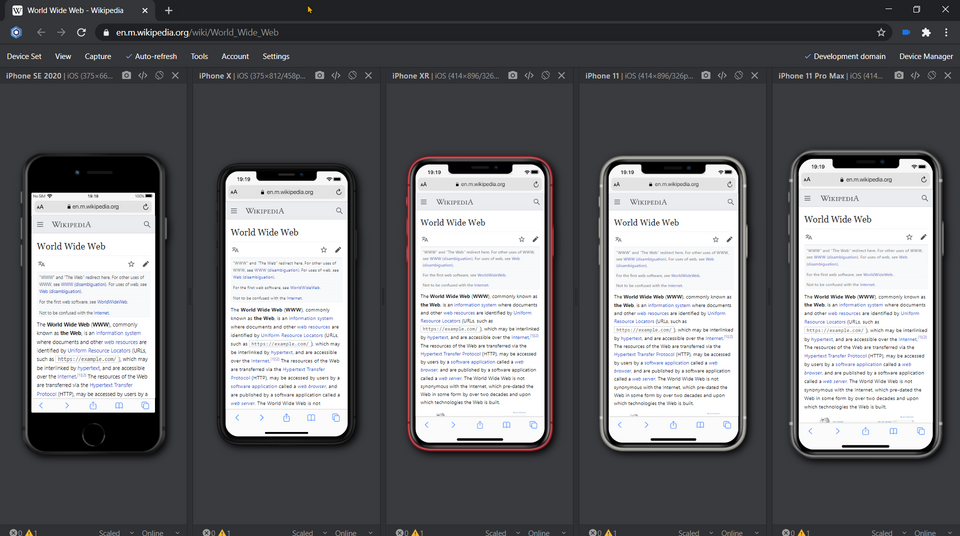
The technical core of a modern AI website builder with templates lies in its ability to perform dynamic layout rearrangement. Unlike traditional templates that require manual resizing, machine learning algorithms analyze vast datasets of successful industry-standard websites to determine the most effective section placement. When a user inputs their industry—such as retail, hospitality, or professional services—the AI references these learned patterns to prioritize specific functional blocks. For instance, a restaurant site might see its reservation widget moved to the hero section, while a photography portfolio would prioritize a full-width gallery, showcasing the evolution of how to build a website with AI through structural automation.
These smart templates do not just move boxes; they customize the entire user journey by analyzing user data to create personalized relevance. By processing your brand’s specific assets, the AI can adjust white space, font scaling, and button placement to ensure the design feels intentional rather than generated. This level of design customization ensures that the final product aligns with modern UX standards without requiring the user to have any formal design training. By 2026, these systems have become so sophisticated that an AI website builder with analytics can predict which layouts will yield the highest conversion rates based on the specific business niche provided during the initial setup phase.
To complement the structural changes, AI builders integrate advanced technologies to fill the adaptive templates with high-quality content and visuals.
Wix.com Ltd. remains a dominant force in the market, largely due to the success of Wix ADI. This tool represents a significant leap in Artificial Design Intelligence, moving the platform from a simple editor to a fully autonomous design partner. By analyzing user data, social media profiles, and industry trends, Wix ADI builds a complete website in minutes, helping to streamline your workflow: AI website builder with automation for 2026.
| Metric/Feature | Data Point / Functionality |
|---|---|
| Market Share (2025 Projection) | Expected to power 3.8% of all websites by May 2025 (W3Techs). |
| User Base (Historical) | Reached 196.7 million registered users by the end of 2020 (Wix 2024 Annual Report). |
| Core AI Function | Wix ADI automates the build by analyzing industry, brand assets, and user preferences. |
| Adaptability | Rearranges sections in real-time based on content volume and business goals. |
| Metric/Feature | Data Point / Functionality |
|---|---|
| Market Share (2025 Projection) | Expected to power 3.8% of all websites by May 2025 (W3Techs). |
| User Base (Historical) | Reached 196.7 million registered users by the end of 2020 (Wix 2024 Annual Report). |
| Core AI Function | Wix ADI automates the build by analyzing industry, brand assets, and user preferences. |
| Adaptability | Rearranges sections in real-time based on content volume and business goals. |
The power of Wix ADI lies in its ability to eliminate the “blank canvas” problem. Instead of choosing a static theme, users answer a few questions, and the AI generates a unique site. This approach has allowed Wix to maintain a strong growth trajectory, as evidenced by the 31 million new users added in 2020 alone, proving its value for scaling client work: top AI website builder for agencies and independent creators.
Founded by Anthony Casalena, Squarespace, Inc. has evolved from a boutique design platform into a SaaS-based hosting powerhouse that utilizes AI to maintain its reputation for high-end aesthetics. While Wix focuses on total automation, Squarespace AI emphasizes industry-specific design customization that works in tandem with its famous drag-and-drop interface. Currently, Squarespace is used by 1.9% of the top 10 million websites, proving its efficacy for high-traffic, professional brands.
The primary difference lies in the AI-driven template customization. While traditional Squarespace templates required manual adjustments, the 2026 AI features allow the system to suggest layout shifts based on the “vibe” of your brand identity. If you are a freelancer, you might find more tailored advice on choosing an AI website builder for freelancers that highlights these specific Squarespace strengths. Unlike rigid systems, Squarespace’s AI acts as a design consultant, suggesting where to place elements for maximum visual impact while ensuring the site remains mobile-responsive. This blend of AI automation and manual control makes it a favorite for users who want the speed of AI but the “pixel-perfect” finish of a professional designer.
The landscape of web development is changing rapidly. A surprising finding from W3Techs indicates that Wix is on track to power nearly 4% of the entire internet by mid-2025, showcasing the massive adoption of AI-driven design tools. To get the most out of these smart templates, your best action step is to prepare a clear brand kit (including a high-resolution logo and defined color hex codes) before you start. Providing high-quality data at the beginning allows the AI to rearrange its templates with much higher precision, making it the AI website builder for startups looking for a bespoke rather than generic presence.