



Can AI build a website from scratch in 2026? Discover the reality of autonomous web design, from code generation to SEO, and what still requires a human touch.
In 2026, the answer to can AI build a website is a resounding yes, as artificial intelligence now automates layout design, content generation, and SEO setup with remarkable speed. While modern platforms like Wix ADI, Bookmark, and Zyro allow users to launch functional sites without writing a single line of code, the technology still requires human oversight for complex tasks and high-level customization. Today’s AI acts as a sophisticated co-pilot, handling the heavy lifting of web design automation while leaving the final creative direction and strategic decisions to the user. Understanding these capabilities is essential for anyone looking to leverage generative AI in the digital space.
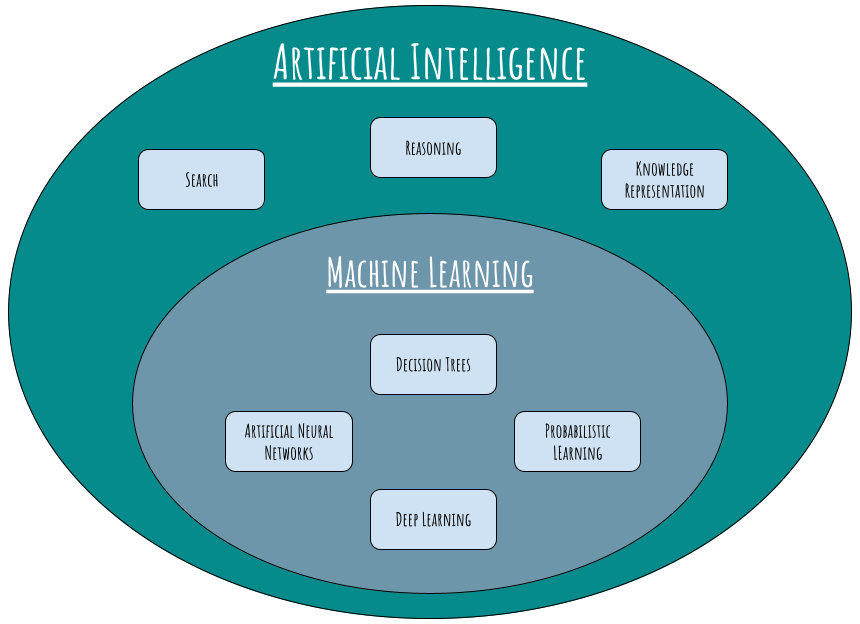
The mechanics behind how can AI build a website involve a sophisticated trio of technologies: Natural Language Processing (NLP), Machine Learning (ML), and Computer Vision. According to Built In (2023), these systems work in tandem to interpret user intent. When a user provides a prompt describing their business, NLP parses the text to identify the industry and required features, such as configuring an AI website builder for real estate with property listings. Simultaneously, ML algorithms analyze vast datasets of successful web layouts to predict which structures will perform best for that specific niche.
A pivotal turning point in this evolution was the development of transformer architectures post-2017. As reported by AP News (2024), these architectures accelerated generative AI by allowing models to understand context and relationships within data more effectively than previous iterations. In 2026, computer vision further enhances this by ensuring visual hierarchy and balance, automatically adjusting margins, font pairings, and color palettes to meet modern UI/UX standards. This synergy allows for the rapid assembly of a site that feels bespoke rather than templated. For those interested in the practical application of these tools, learning how to build a website with AI is the first step toward mastering this automated workflow.
AI handles the “filling” of a website by sourcing or generating all necessary assets based on the site’s primary theme and target audience. This process eliminates the need for manual stock photo searches or hiring expensive copywriters for initial drafts.
Despite the rapid progress of OpenAI, Google DeepMind, and Meta, the myth of a “fully finished” complex website created entirely without human intervention remains just that—a myth. While AI can generate a stunning landing page in seconds, it often struggles with complex functionality, such as custom API integrations, intricate e-commerce logic, or the HIPAA-compliant needs of an AI website builder for doctors and clinics. Human oversight is critical to ensure that the AI-generated code is secure and that the user journey is logical.
“AI is a powerful assistant that automates routine tasks, but it lacks the nuanced understanding of brand soul and complex problem-solving that a human designer brings to the table.” — Industry Insight, 2026
In 2026, users must still perform quality assurance (QA). AI might generate a visually appealing button that leads to a broken link or suggest a layout that doesn’t comply with specific accessibility standards (WCAG). Therefore, the most successful websites are those where AI handles the foundational structure, but a human expert fine-tunes the UX/UI and final logic, especially when using the best AI website builder for restaurants to manage reservation systems.
While AI is excellent at technical execution, it cannot yet replace the high-level strategic thinking required for competitive markets. The following table illustrates the division of labor between AI automation and human expertise in 2026, which is particularly relevant when configuring an AI website builder for dropshipping to handle high-volume product data.
| Feature | AI Capability (2026) | Human Expert Necessity |
|---|---|---|
| Metadata & Keywords | Automated generation based on real-time search trends. | Refining brand voice and intent alignment. |
| Site Structure | Optimizes internal linking and XML sitemaps. | Planning long-term content clusters and pillars. |
| Competitor Analysis | Rapid data scraping and pattern recognition. | Identifying market gaps and unique value propositions. |
| Technical SEO | Fixes broken links and optimizes image alt-text. | Managing complex schema markup for unique entities. |
| Feature | AI Capability (2026) | Human Expert Necessity |
|---|---|---|
| Metadata & Keywords | Automated generation based on real-time search trends. | Refining brand voice and intent alignment. |
| Site Structure | Optimizes internal linking and XML sitemaps. | Planning long-term content clusters and pillars. |
| Competitor Analysis | Rapid data scraping and pattern recognition. | Identifying market gaps and unique value propositions. |
| Technical SEO | Fixes broken links and optimizes image alt-text. | Managing complex schema markup for unique entities. |
It is surprising to note that while the foundations of artificial intelligence were established as early as 1956, the most significant leaps in web design automation occurred only after the 2017 breakthrough in transformer models. This recent acceleration has turned AI from a laboratory concept into a daily utility for entrepreneurs. In 2026, the best approach is to treat AI as a high-speed assistant. Do not “set and forget” your digital presence; instead, use AI to build the 80% of your site that is standard, then spend your energy on the 20% that makes your brand unique, perhaps by utilizing an AI website builder for personal brand development to establish authority. Start by exploring an AI website builder today to see how much time you can save on your next project.