



Discover how AI-driven inventory optimization in WMS reduces holding costs by 30% and boosts space by 25% for mid-sized firms in 2026. Move beyond basic tracking.
In 2026, the role of a Warehouse Management System has shifted from a passive digital ledger to a proactive engine for business growth. For mid-sized firms, the primary challenge is no longer just knowing where an item is, but ensuring that capital isn’t trapped in excess stock. AI-driven inventory optimization is fundamentally changing the landscape by moving beyond reactive tracking to the proactive reduction of inventory bloat. By leveraging machine learning and real-time data, companies are now able to reduce inventory holding costs by up to 30% (Gartner, 2026), transforming the warehouse from a cost center into a lean, high-velocity fulfillment hub.
The transition from manual oversight to AI-driven inventory optimization represents the most significant leap in logistics technology this decade. For years, mid-sized companies struggled with “just-in-case” inventory strategies that tied up millions in liquidity. In 2026, the integration of artificial intelligence within the Warehouse Management System allows these businesses to operate with surgical precision, eliminating the safety stock buffers that previously led to massive waste and obsolescence. This shift is particularly vital for firms managing complex supply chains where even a small percentage of excess stock can lead to significant financial strain over time.
The cornerstone of modern inventory health is Predictive Demand Forecasting. Unlike traditional methods that rely on simple moving averages or intuition, modern machine learning algorithms analyze a complex web of variables. These include historical sales data, seasonal shifts, local weather patterns, and even external market trends like social media sentiment or global shipping delays. According to a 2026 industry report by Gartner, this level of AI-driven inventory optimization can reduce inventory holding costs by up to 30% for mid-sized firms.
By identifying patterns that the human eye misses, these systems prevent the common pitfall of overstocking. For example, if a specific SKU shows a declining trend in a particular region while gaining traction in another, the AI automatically suggests a stock transfer rather than a new purchase order. This proactive approach ensures that capital remains fluid and that warehouse shelves are only occupied by products with a high probability of sale. For firms already utilizing a Cloud-Based WMS for Manufacturing, these predictive insights are delivered in real-time across multiple sites, allowing for a synchronized supply chain that reacts to market volatility before it impacts the bottom line.
Furthermore, the system continuously learns from its own accuracy. If a forecast for a specific product line was off by 5% last quarter, the machine learning model automatically adjusts its parameters for the next cycle. This self-correcting nature means that the longer a mid-sized firm uses an AI-driven WMS, the more accurate and cost-effective their inventory levels become. This is a far cry from the static spreadsheets of the past, which often became obsolete the moment they were printed.
The synergy between IoT sensors and real-time data analytics has effectively eliminated the “blind spots” that once plagued warehouse managers. In 2026, inventory accuracy is no longer a goal achieved during annual audits; it is a continuous state of operation. A survey by Supply Chain Dive (2026) found that 65% of mid-sized companies using AI in their WMS reported significantly improved inventory accuracy and a drastic reduction in stockouts.
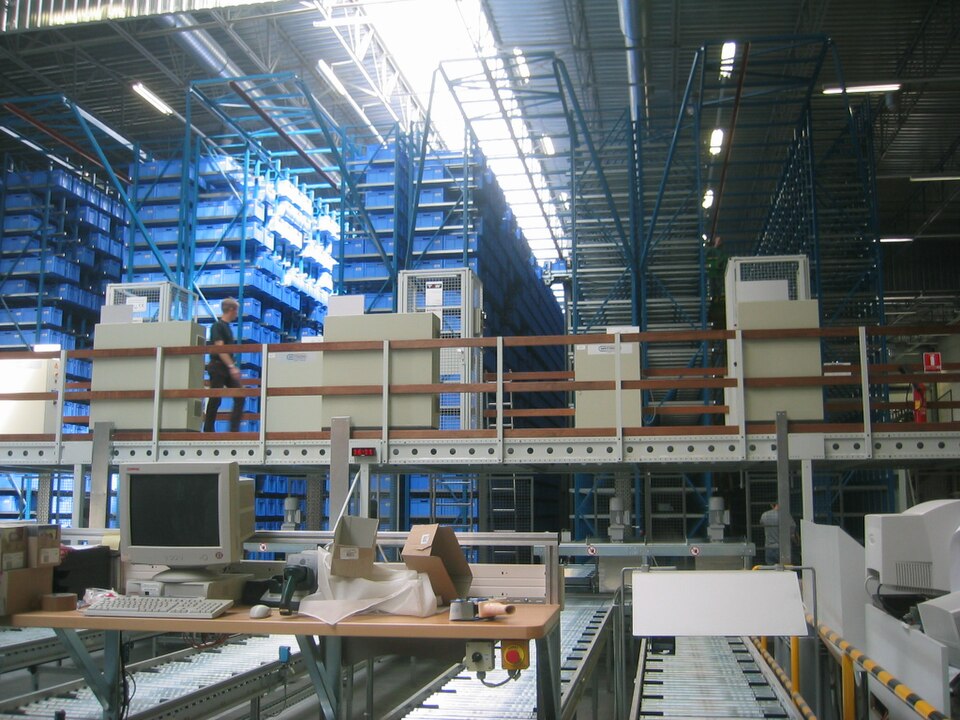
As real estate costs for industrial spaces continue to climb in 2026, maximizing the footprint of an existing facility is critical. AI-driven inventory optimization extends beyond the quantity of stock to the physical arrangement of that stock. By optimizing where items are placed, companies can effectively “expand” their warehouse capacity without signing a new lease or breaking ground on new construction. This is a game-changer for mid-sized firms located in high-cost urban logistics hubs.
Automated slotting is the process of using AI to determine the most efficient location for every item in the warehouse based on its physical characteristics and velocity. According to a 2026 case study from Zebra Technologies, automated slotting algorithms can increase warehouse space utilization by 20-25%. This is achieved by analyzing the “velocity” of items—how fast they move in and out—and placing high-velocity items in the most accessible locations.
| Feature | Traditional Manual Slotting | AI-Driven Automated Slotting |
|---|---|---|
| Logic Basis | Static rules / Tribal knowledge | Dynamic demand & turnover rates |
| Space Utilization | Sub-optimal (empty “dead” zones) | 20-25% improvement (Zebra, 2026) |
| Labor Efficiency | High travel time for pickers | Minimized travel via heat-mapping |
| Adaptability | Updated annually or seasonally | Continuous, real-time adjustments |
| Product Safety | Generic placement | Optimized by weight/size/fragility |
| Scalability | Difficult to manage across sites | Centralized AI logic for all nodes |
The AI doesn’t just look at how often an item is picked; it also considers the physical dimensions and weight. For instance, it ensures that heavy items are stored at waist height to reduce picker fatigue and injury risk, while lightweight, slow-moving items are moved to higher, less accessible shelves. This granular level of detail, updated daily or even hourly, ensures that the warehouse is always in its most efficient configuration.
The fundamental difference in 2026 is the shift from a “system of record” to a “system of intelligence.” Traditional Warehouse Management System models were designed to record what happened—a reactive approach that documented stock levels after the fact. In contrast, the modern optimization model focuses on what should happen. This allows mid-sized firms to maintain leaner inventories while simultaneously improving order fulfillment speed.
By utilizing proactive inventory optimization, a WMS can now predict a surge in demand for a specific product category—perhaps due to a localized marketing campaign or a seasonal trend—and automatically move those items to the “golden zone” (the most accessible picking areas) before the orders even arrive. This level of foresight reduces the physical strain on warehouse staff and ensures that high-priority shipments are processed with zero friction.
For a mid-sized firm, this means the ability to compete with global giants on delivery speed without needing the same massive overhead or square footage. The AI acts as a digital strategist, constantly re-evaluating the warehouse layout and stock levels to ensure every square inch of the facility is generating maximum ROI. It moves beyond simple record-keeping to provide actionable advice: “Move SKU-102 to Bin-A4 to save 12 miles of travel time this week” or “Reduce safety stock of SKU-505 by 15% based on current market cooling.” This proactive stance is what separates the leaders from the laggards in the 2026 logistics landscape.
The most striking revelation of 2026 is that automated slotting can effectively reclaim 1/4 of your warehouse space without a single brick being laid. This “digital expansion” allows businesses to scale their SKU count or volume while keeping their physical footprint static. To begin this transformation, your first action step should be to audit your current stockout frequency and identify the specific product lines where “just-in-case” inventory is highest; these are the areas where predictive AI will deliver the fastest and most significant financial returns. For more information on modern solutions, explore the latest in Warehouse Management System technology.