





Discover how WMS integration with B2B trading platforms automates fulfillment and prevents overselling for high-volume distributors in 2026. Learn the ROI of real-time sync.
In 2026, the demand for seamless B2B transactions has made Warehouse Management System(WMS) integration with trading platforms a non-negotiable operational standard. For high-volume distributors, manual data entry is no longer a viable strategy; it is a liability that leads to overselling and customer friction. Real-time inventory synchronization serves as the primary defense against stockouts in high-velocity environments, ensuring that what a wholesale buyer sees on a digital portal is exactly what is available on the warehouse shelf. By connecting sales channels directly to fulfillment workflows, businesses eliminate the latency that traditionally hampers B2B growth.
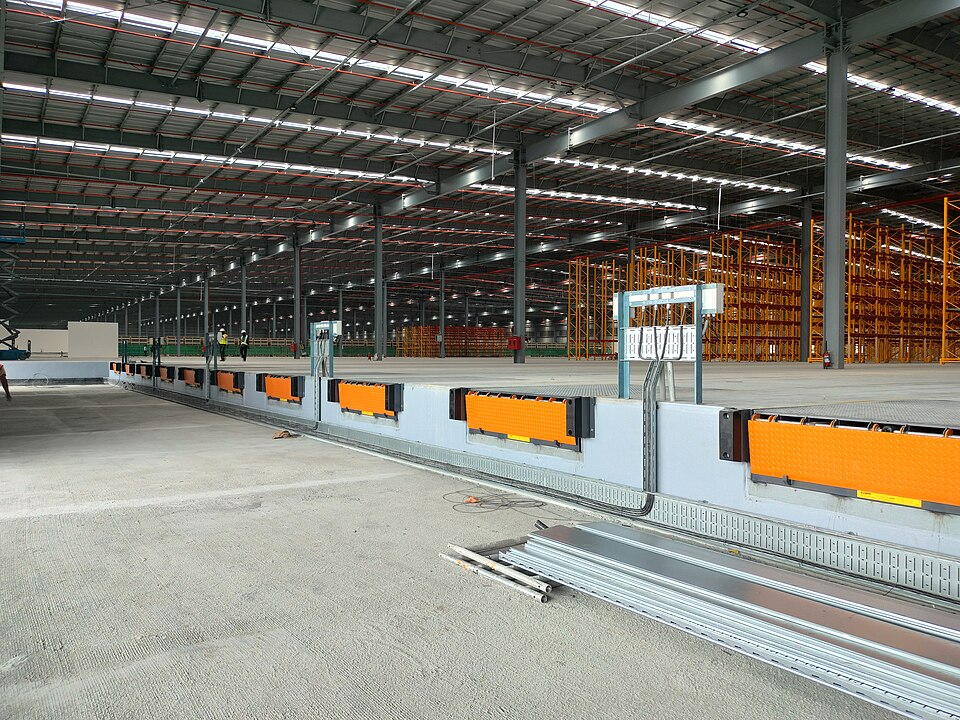
Modern B2B operations in 2026 require instantaneous communication between the storefront and the back-end logistics. When these systems are siloed, delays are inevitable as staff manually bridge the gap between a sales confirmation and a picking list. Integration removes these human touchpoints, allowing the Warehouse Management System to react the millisecond a transaction is finalized.
The technical flow of a B2B order has evolved from batch processing to a continuous, automated stream. API integration allows for this instantaneous data exchange, ensuring that the warehouse floor is always aligned with the digital sales office. According to Research Notes 2026, automated fulfillment can reduce the “order-to-ship” time by up to 50% by removing manual verification steps.
The automated workflow typically follows these critical steps:
In the high-velocity B2B market of 2026, manual inventory updates are a recipe for failure. The phenomenon of “ghost inventory“—stock that appears available online but has already been sold elsewhere—destroys trust with wholesale clients who rely on timely deliveries to maintain their own operations. API-led integration provides a single source of truth, ensuring that stock levels are updated across all wholesale channels simultaneously.
This centralized data visibility is not just about preventing errors; it is a sales enablement tool. When a Warehouse Management System is fully integrated, sales teams can promise accurate delivery dates with 99.9% certainty. This reliability is a competitive advantage in B2B commerce, where buyers prioritize fulfillment consistency over minor price differences. Furthermore, integrating AI-driven inventory optimization in WMS helps distributors predict demand spikes, ensuring that the “real-time” stock shown is always optimized for upcoming seasonal peaks.
Successfully bridging the gap between a digital storefront and a physical warehouse requires a robust technical architecture. In 2026, distributors must choose between traditional standards and modern, flexible connectivity methods to ensure data integrity across their supply chain.
While REST APIs have become the standard for agile, real-time web applications, EDI (Electronic Data Interchange) remains a foundational requirement for many large-scale B2B transactions, particularly when dealing with “Big Box” retailers or global logistics partners.
| Feature | API (Application Programming Interface) | EDI (Electronic Data Interchange) |
|---|---|---|
| Data Speed | Real-time (Instantaneous) | Batch processing (Scheduled intervals) |
| Setup Complexity | High initial development; flexible | Standardized; rigid protocols (AS2, SFTP) |
| Use Case 2026 | Direct-to-Consumer & Modern B2B Portals | Legacy retail partnerships & Global Logistics |
| Leading Tools | MuleSoft, Celigo, Zapier | SPS Commerce, TrueCommerce |
For enterprise-grade operations, the synergy between heavy-duty software like SAP Extended Warehouse Management (EWM) or Oracle Warehouse Management Cloud and B2B-focused e-commerce platforms is essential. These enterprise systems are designed to handle the complexity of 2026 logistics, such as multi-zone picking, hazardous material handling, and complex cross-docking.
When these enterprise tools are integrated with platforms like Magento Commerce (Adobe Commerce) or Shopify Plus, they support sophisticated B2B requirements that standard retail setups cannot. This includes bulk pricing tiers, customized catalogs for specific clients, and tiered shipping rules based on pallet counts or freight dimensions. The integration ensures that when a VIP client logs into their portal, the pricing and shipping logic they see is pulled directly from the contract terms stored within the Warehouse Management System and ERP environment. This creates a seamless “self-service” experience that reduces the administrative burden on sales representatives.
The most surprising finding for many distributors in 2026 is that a full WMS-to-B2B integration often pays for itself within the first 6 months. This ROI is driven primarily by the near-total elimination of manual data correction and the reduction of “mis-picks” which carry high return costs.
As an immediate action step, audit your current “order-to-warehouse” workflow. Count every time a human must copy data from one screen to another; these manual touchpoints are your primary bottlenecks and the most likely points of failure in your fulfillment chain. High-volume success in the current market depends entirely on removing these friction points through automated, real-time connectivity.